

Cart
0
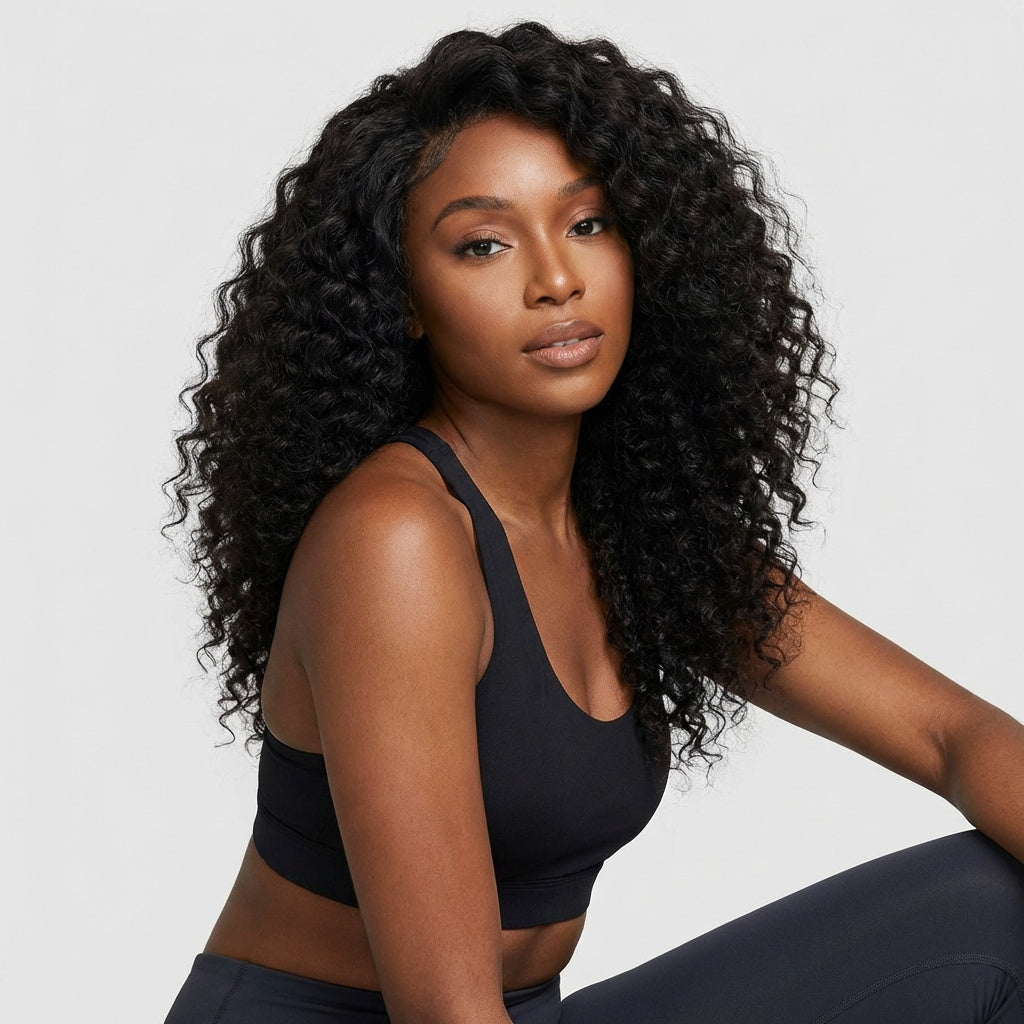
Curly wigs aren’t just a texture option, they’re a statement. They mirror the natural movement, volume, and unpredictability of real curls, which instantly makes a wig feel more alive and less manufactured. Curls create depth without trying too hard, softening the hairline and disguising minor imperfections in density or parting. For many people, curly wigs feel more forgiving than straight styles because they don’t rely on sharp lines or precision styling to look good. The texture does the work for you, and that effortlessness is exactly why they resonate.

There’s also a cultural and personal layer that makes curly wigs matter. For people with naturally curly or coily hair, these wigs offer representation without compromise. They allow wearers to protect their natural hair while still seeing themselves reflected in the mirror. Curly wigs normalise texture in a space that has historically centered sleek, straight looks as the standard of “polished.” They say volume is allowed, shrinkage is normal, and definition doesn’t need to be perfect to be beautiful.
From a practical standpoint, curly wigs support real life. They hold up better in humidity, recover faster after wear, and don’t show daily manipulation the way straight wigs do. A little frizz often reads as realism rather than damage, which takes pressure off constant restyling. Curly textures also age better over time, especially when properly moisturised, because they mask shedding and thinning more naturally.
Curly wigs matter because they shift expectations. They make space for texture, individuality, and ease without sacrificing style. They remind people that realism isn’t always sleek and that beauty doesn’t have to be controlled to be intentional. In a world where wigs are often judged by how straight and flat they can look, curly wigs quietly redefine what “good hair” actually means.

